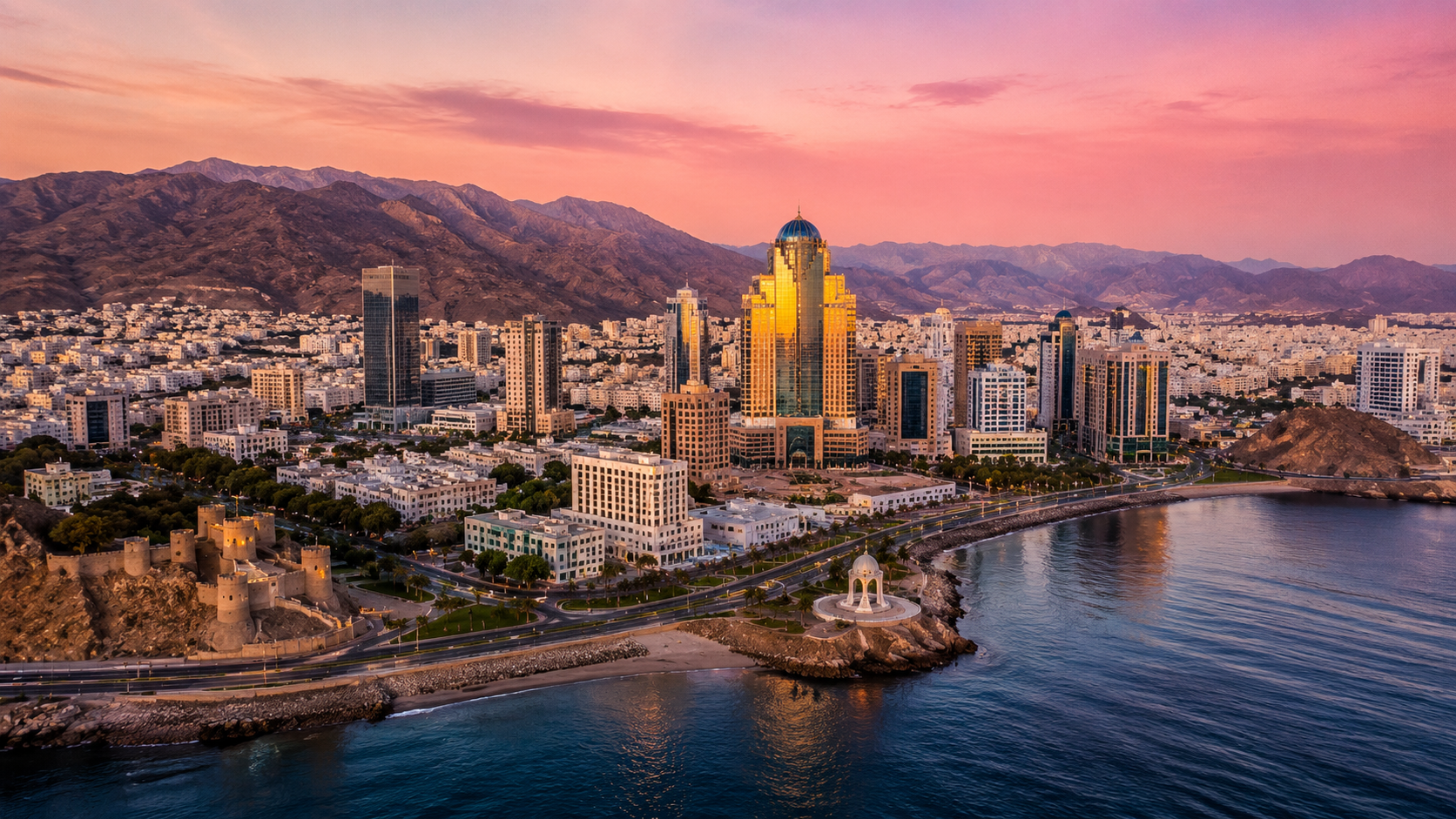
Muscat in Transformation
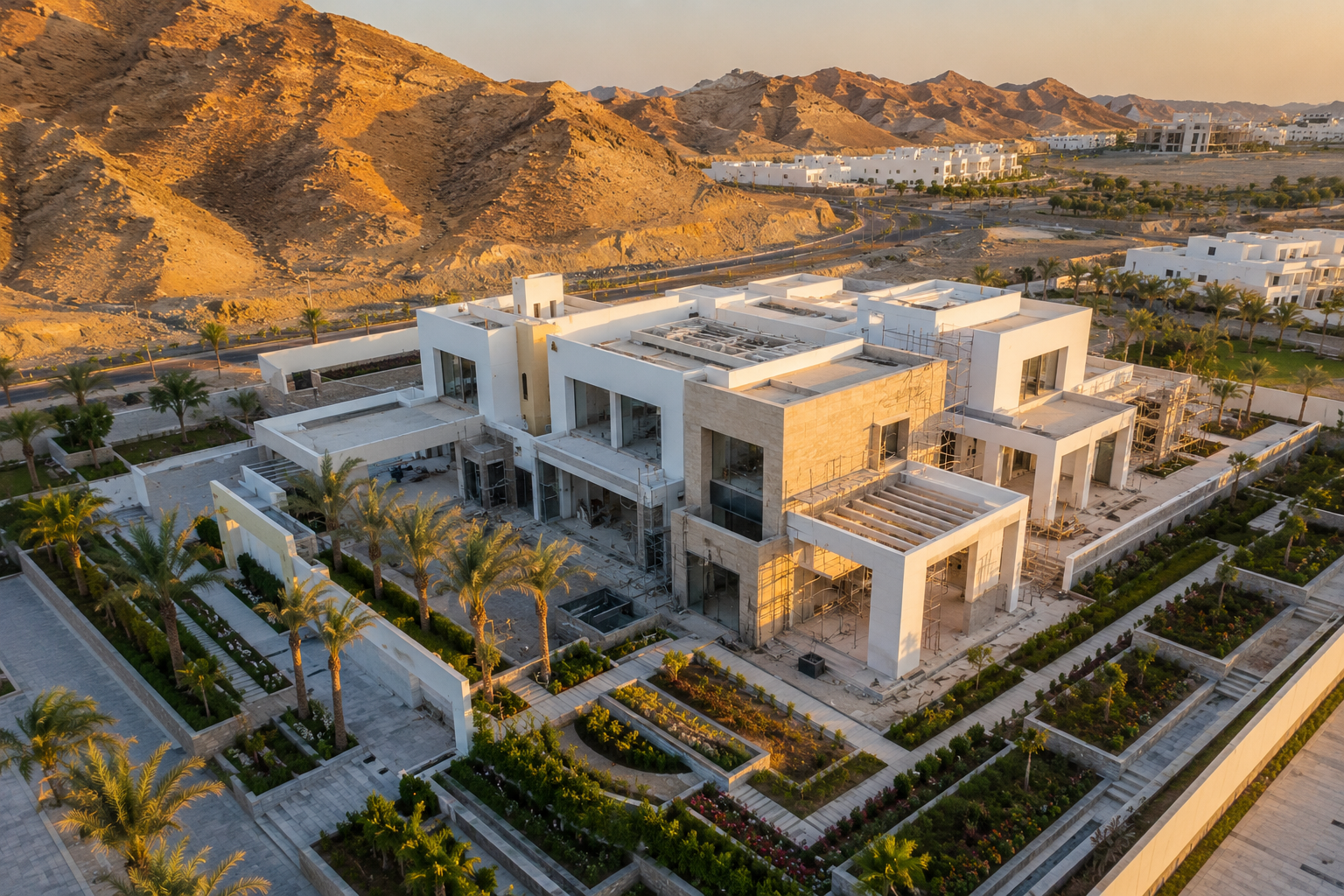
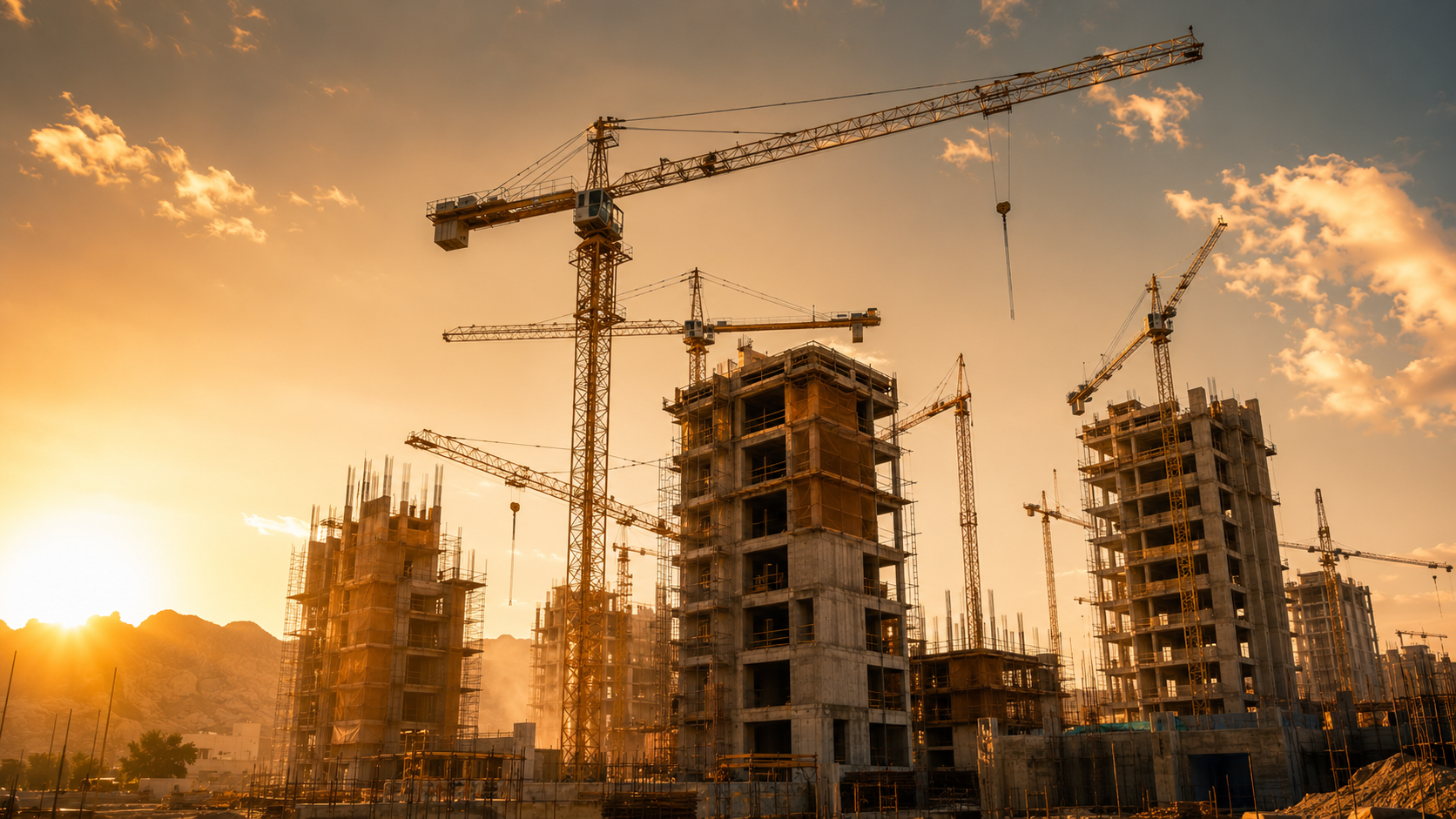
Muscat is no longer the quiet, low-rise coastal city it was even a decade ago. Driven by Oman Vision 2040's diversification mandate and a surge in foreign direct investment, the capital is undergoing one of the most significant urban transformations in the Arabian Peninsula. New master-planned communities, waterfront developments, and government-mandated infrastructure corridors are reshaping the skyline and, with it, the demands placed on architectural design.
For engineers and architects working in Oman today, this growth is not just an opportunity — it is a design challenge. The buildings Muscat needs in 2026 must do something genuinely difficult: honour a deep Omani cultural identity while meeting the functional requirements of a rapidly modernising, globally connected economy.
At First Step Engineering, we have delivered architectural projects across Al Khuwair, Seeb, Al Ghubra, and the emerging districts of South Al Mawaleh. What we observe on the ground every year is a growing sophistication in what clients, investors, and authorities expect from new buildings — and what gets approved.
What is Driving Muscat's Architectural Evolution?
Several converging forces are reshaping design expectations across the capital:
- Vision 2040's tourism targets require hospitality and mixed-use projects that appeal to international visitors while reflecting Omani character — not generic Gulf glass towers.
- Muscat Municipality's urban planning regulations increasingly enforce setback rules, height limits, and façade material requirements that make design compliance a primary constraint from day one.
- The rise of Integrated Tourism Complexes (ITCs) — where foreigners can own freehold property — has imported international design expectations and quality benchmarks.
- Climate legislation and GSAS green building standards are beginning to influence glazing ratios, shading device requirements, and HVAC loads, pushing architects toward passive design strategies that the Omani vernacular already understood intuitively.
- The post-COVID acceleration of remote work has driven a new typology: the live-work-play mixed-use development, where residential, co-working, retail, and F&B spaces share a single envelope and structural system.
The Architecture Muscat Demands: Five Core Principles
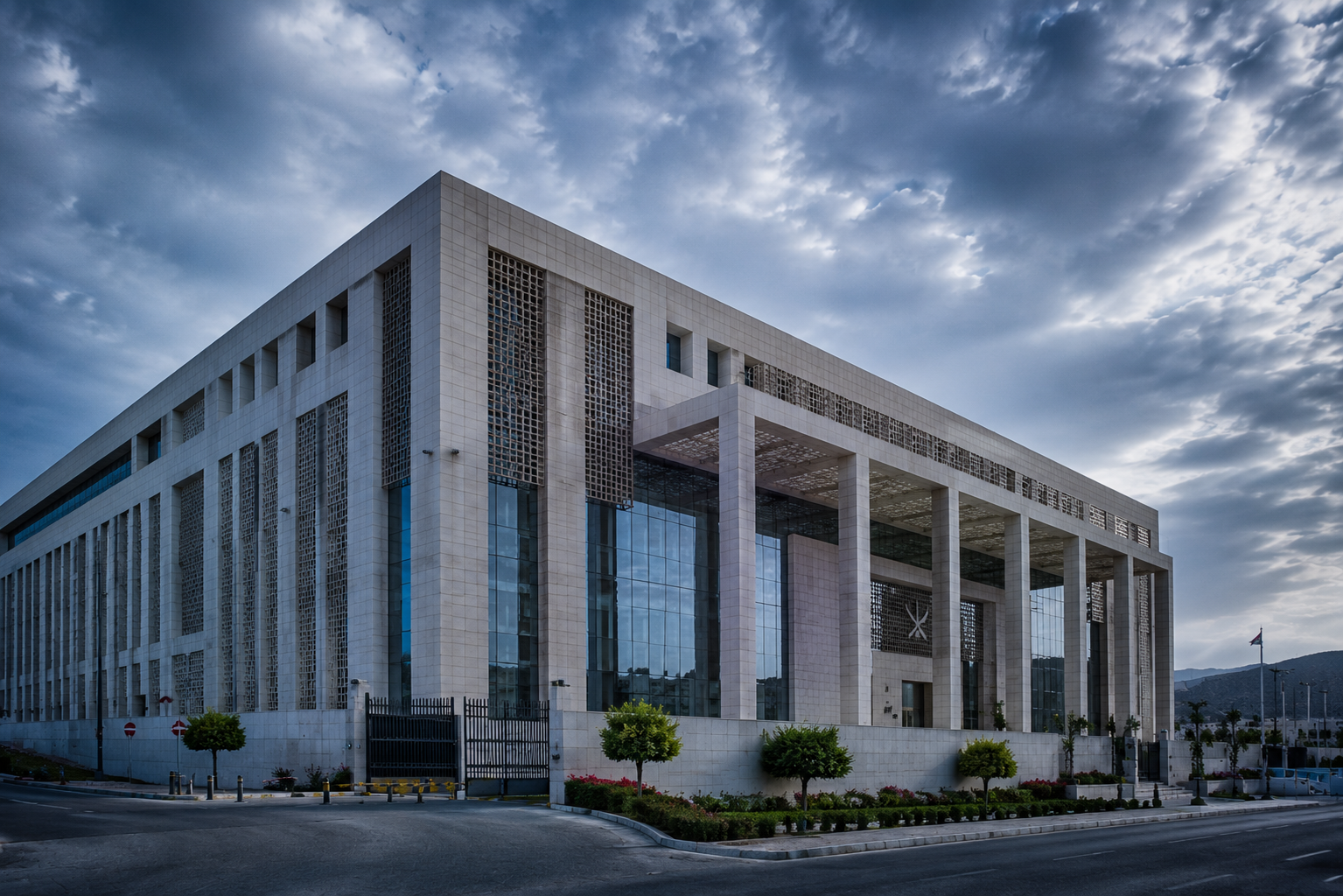
Mashrabiya screens, geometric ornamentation, and courtyard typologies reimagined in contemporary materials — not pastiche, but genuinely rooted design.
Deep overhangs, high-performance glazing, and cross-ventilation strategies that cut HVAC loads by up to 30% in Muscat's extreme summer heat.
Ground-floor activation, pedestrian connectivity, and vertical mixed programmes that make buildings contribute to urban life rather than just occupy a plot.
Designs developed with NBC, municipality, and Civil Defence requirements integrated from concept — not retrofitted during the permit stage.
Key Districts Reshaping Muscat's Built Environment
Understanding the geography of Muscat's growth helps architects position projects correctly and anticipate the urban context a building will join in five to ten years.
Al Mouj Muscat (The Wave)
Oman's flagship ITC has set a high benchmark for finishes, landscaping, and architectural coherence. Residential villas, marina apartments, and hotel developments here compete on design quality and lifestyle offer. The architecture is predominantly contemporary Mediterranean, adapted for the climate, but pressure is growing to incorporate more distinctly Omani references as the development matures.
South Al Mawaleh and Knowledge Oasis Muscat
These districts are absorbing Muscat's expanding professional population, driving demand for mid-rise residential buildings and office complexes at a price point that balances quality with affordability. Architecture here tends toward functional contemporary, with the differentiation coming from façade articulation, lobby quality, and communal amenity provision.
Al Khuwair and Ghala Industrial
The established commercial spine of Muscat is being progressively upgraded. Older commercial buildings are being replaced or refurbished, often converting single-use office blocks into mixed-use typologies with ground-floor retail activation. This area demands experience navigating existing infrastructure, constrained sites, and complex authority approvals.
Why Architecture Cannot Be Separated from Engineering in Muscat's Market
One of the most consistent problems we encounter when engaging with developers who have been through a failed or delayed project elsewhere is the assumption that architecture and engineering are sequential activities — design the building, then have engineers make it work. In Muscat's current regulatory and technical environment, this approach is almost guaranteed to result in authority rejections, costly design revisions, or both.
"The buildings that sail through authority approval and finish on programme in Muscat are almost always the ones designed from the first sketch with structural grids, MEP zone allocations, and municipality setbacks built into the concept — not added later."
When architecture, structural engineering, and MEP design are developed simultaneously by an integrated team — which is First Step Engineering's model — the result is a design where façade openings align with structural bays, MEP service risers are positioned to avoid beam clashes, and the structural grid supports the architectural programme without compromise. This is not a luxury for large projects. It is the baseline for any development that needs to move from concept to permit efficiently.
What to Expect from Muscat's Architecture in 2026 and Beyond
Based on the projects in our pipeline and the regulatory signals coming from Muscat Municipality, we anticipate several shifts in how buildings are designed and approved over the next few years:
- Green building requirements will tighten. GSAS certification is moving from optional-for-large-projects to expected-for-all-commercial-developments. Architects who are not designing with passive solar, shading, and natural ventilation principles will find clients and authorities alike pushing back.
- BIM deliverables will become standard. Government projects already require BIM models as part of authority submissions. We expect this to extend to private-sector submissions above a certain GFA threshold within two years.
- Mixed-use will dominate new residential projects. Pure residential blocks are increasingly difficult to finance. Ground-floor retail or service activation is becoming a near-universal expectation from banks and developers alike.
- Omani architectural identity will be formally regulated. Several municipalities in the GCC have introduced architectural character guidelines. Muscat is watching these closely, and it is only a matter of time before design guidance around façade materials, massing, and cultural reference becomes binding rather than advisory.
At First Step Engineering, we have been designing buildings in Muscat since 2015 — through oil price corrections, the pandemic, and now the Vision 2040-driven boom. The clients who navigate this market most successfully are the ones who engage an integrated, licensed engineering team early, design with authority requirements built in, and choose quality that compounds over time rather than cost that cuts corners. If that describes your next project, we would like to be part of it.